Resources
ASTM F1387
ASTM F1387 is the document a specification reaches for when a mechanically attached fitting has to have been proven rather than described. It is a suite rather than a single test, which is why "tested to F1387" means little without the clause: a fitting proven to A4 has held a hydrostatic proof pressure, a fitting proven to A10 has survived rotary flexure, and those are entirely different assurances. The six below are the ones NABL has assessed us to perform.
Accredited clauses
| Clause | Test | Notes |
|---|---|---|
| A3 | Pneumatic proof | Proof pressure applied with a gas, for connections whose service medium is a gas. |
| A4 | Hydrostatic proof | Proof pressure applied with a liquid. The baseline containment check before any endurance work begins. |
| A5 | Impulse | Repeated pressure pulses: the load that finds a connection relying on friction rather than on grip. |
| A8 | Hydrostatic burst | Pressure raised to failure, establishing the margin above the rating rather than confirming the rating. |
| A9 | Repeated assembly | Make and break, repeated, because a fitting that seals once and leaks on reinstallation fails in maintenance, not in commissioning. |
| A10 | Rotary flexure | Rotating bending applied to the made-up joint, qualifying it against continuous line movement. |
What we can show
Accredited scope, certificate TC-16263
All six clauses appear by number on the NABL scope annexure, valid to 07/03/2029.
Design assessment for double-ferrule fittings
Fluid Controls publishes an ASTM F1387-99 (2012) assessment for its double-ferrule range.
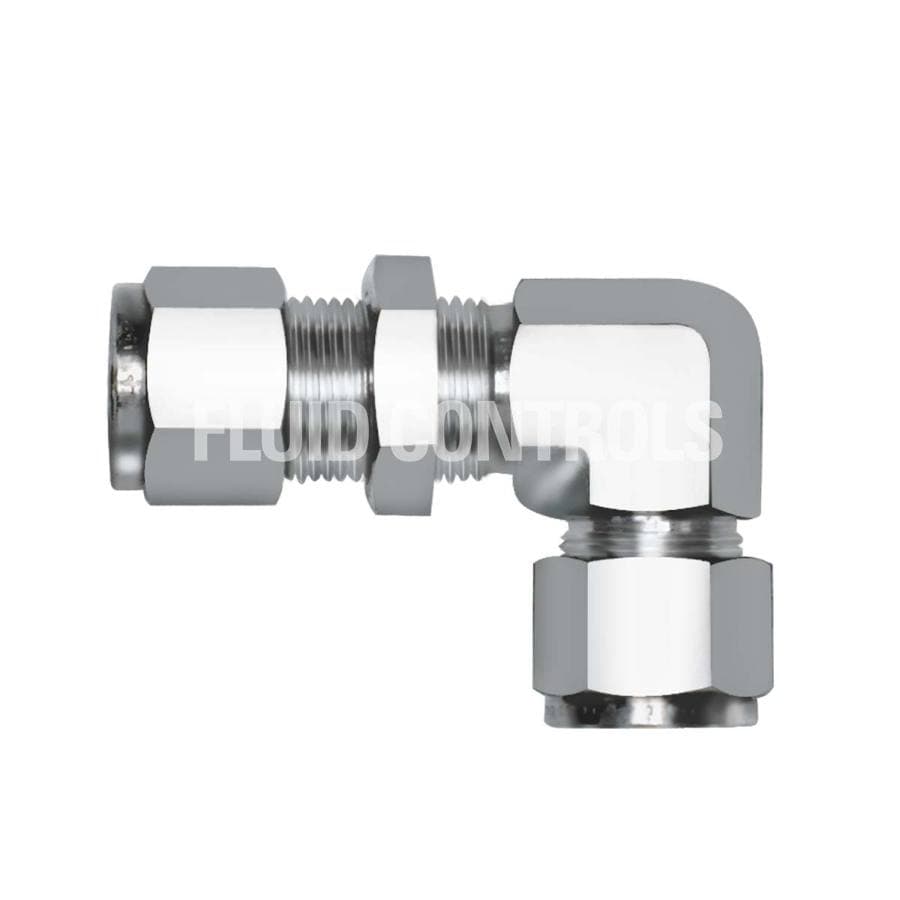
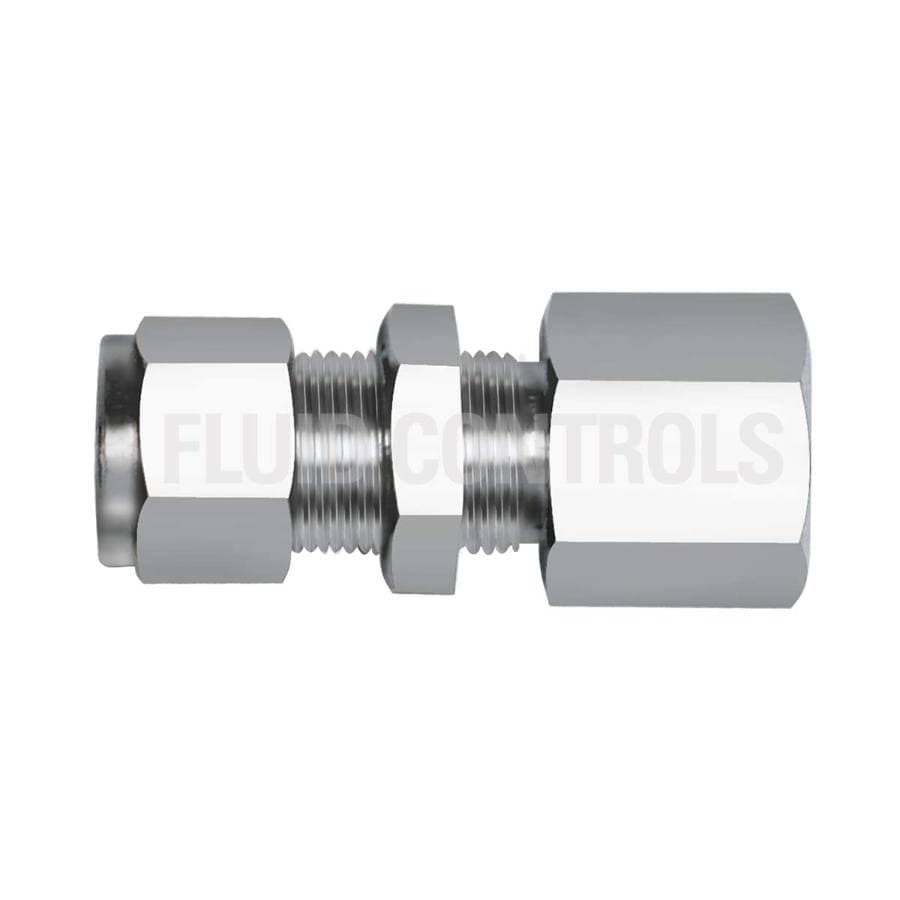
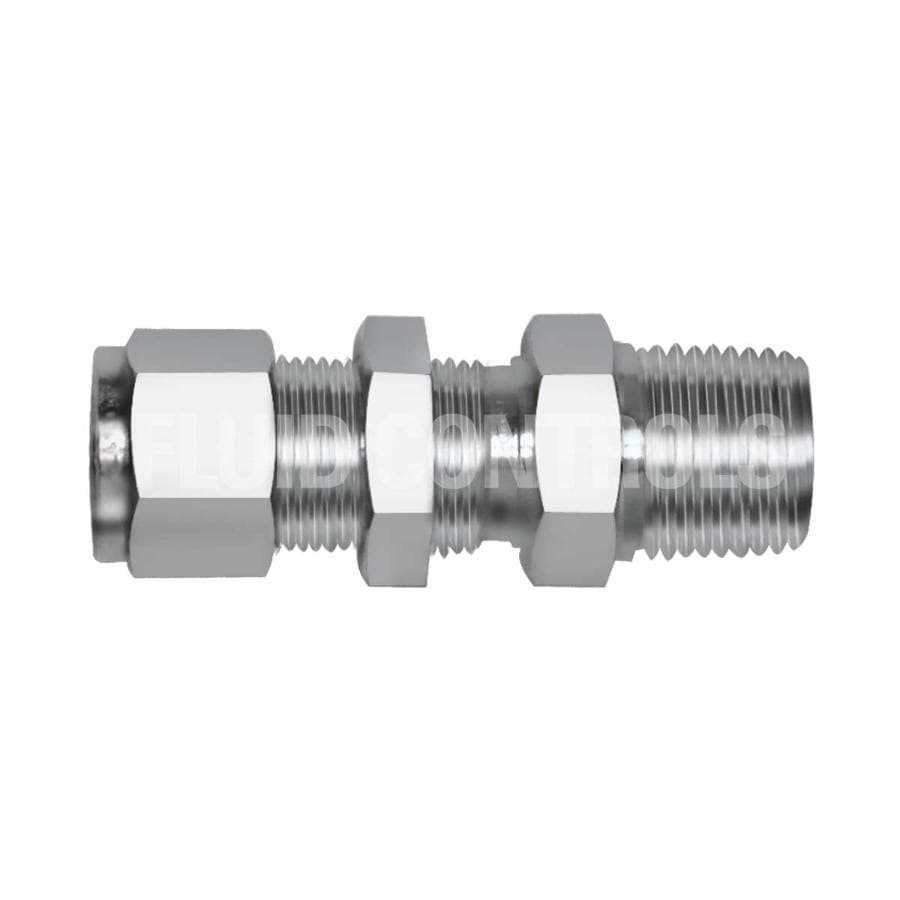
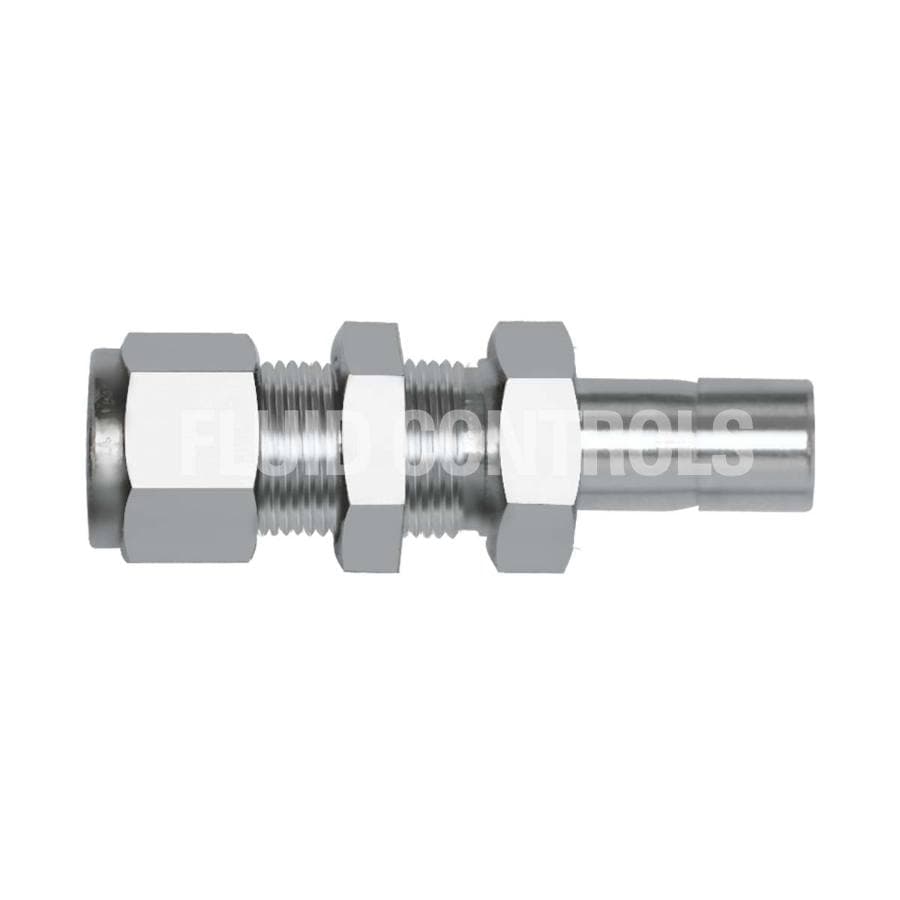
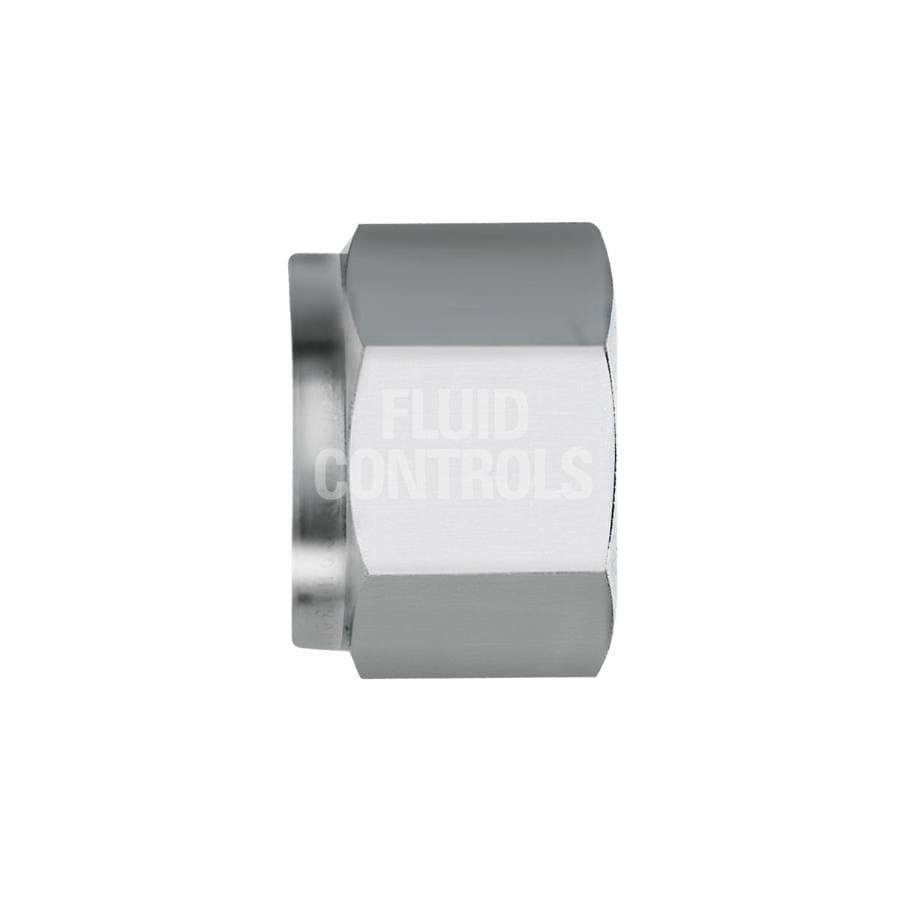
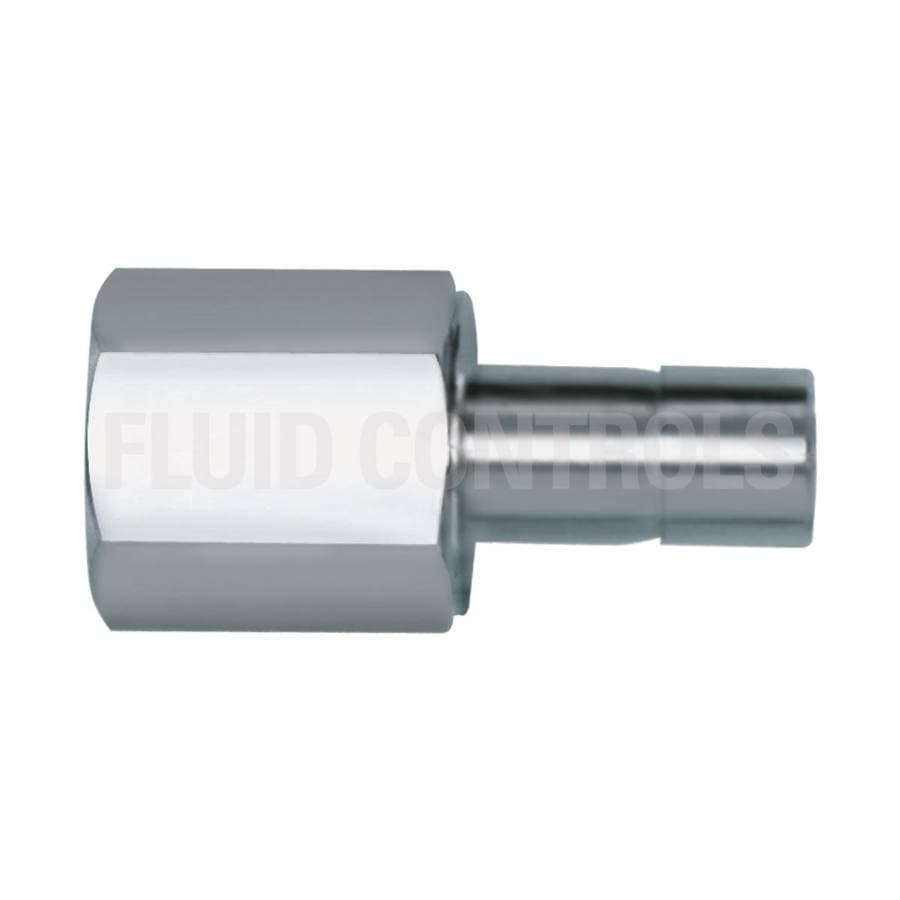
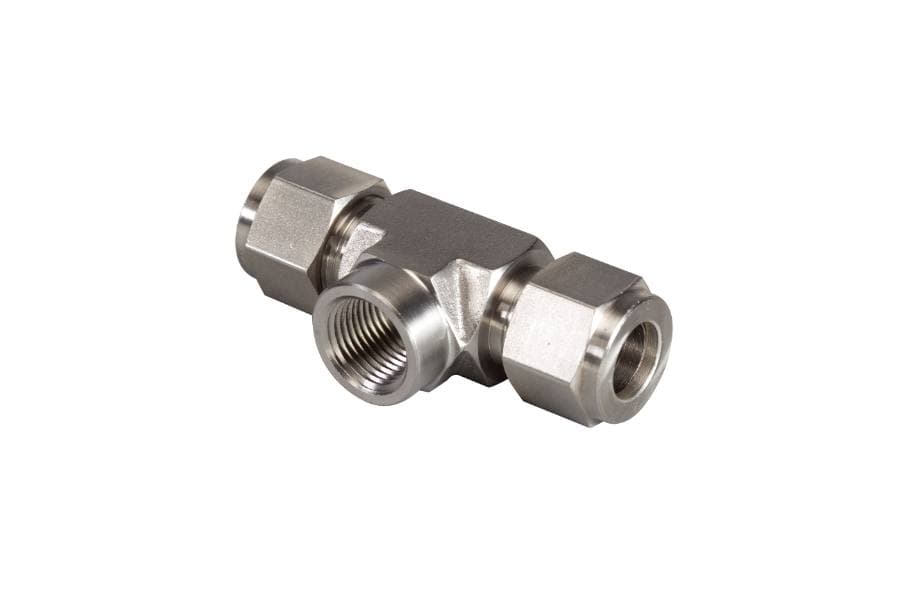
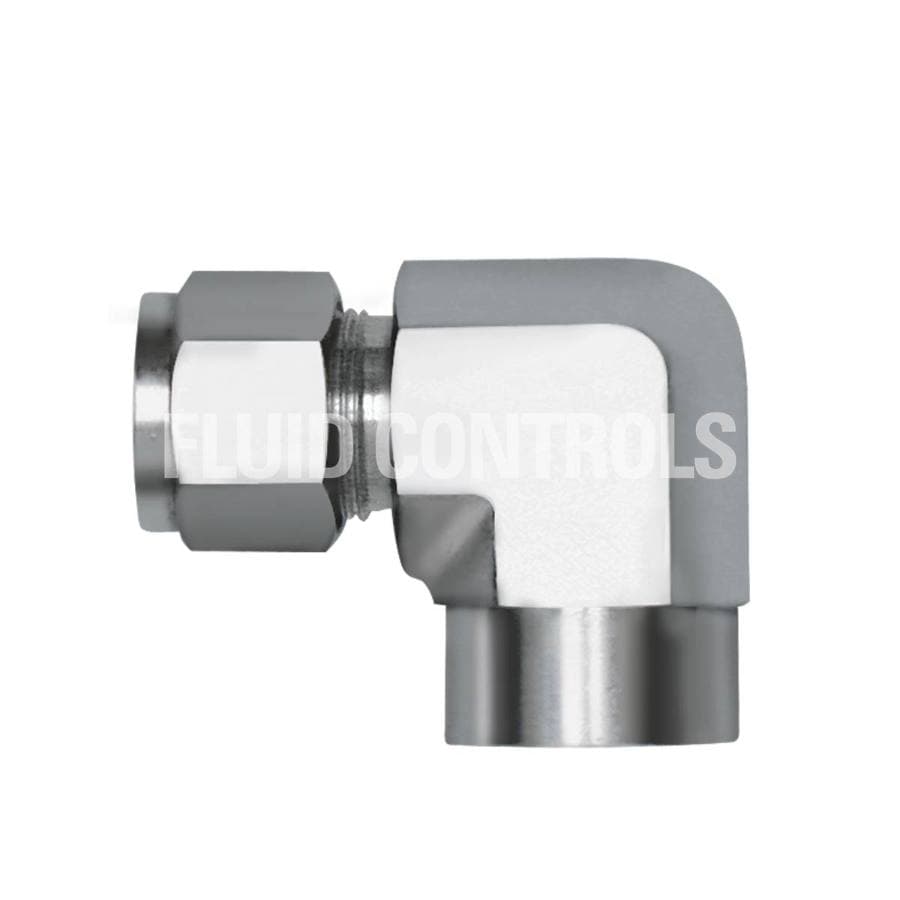
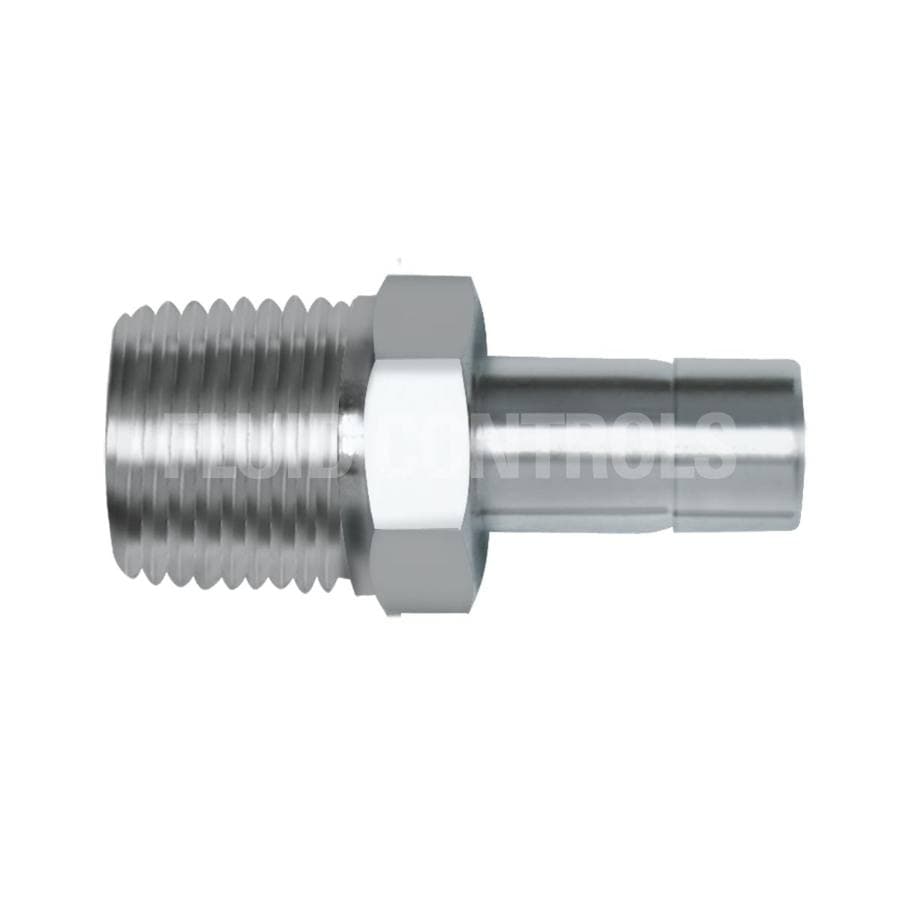
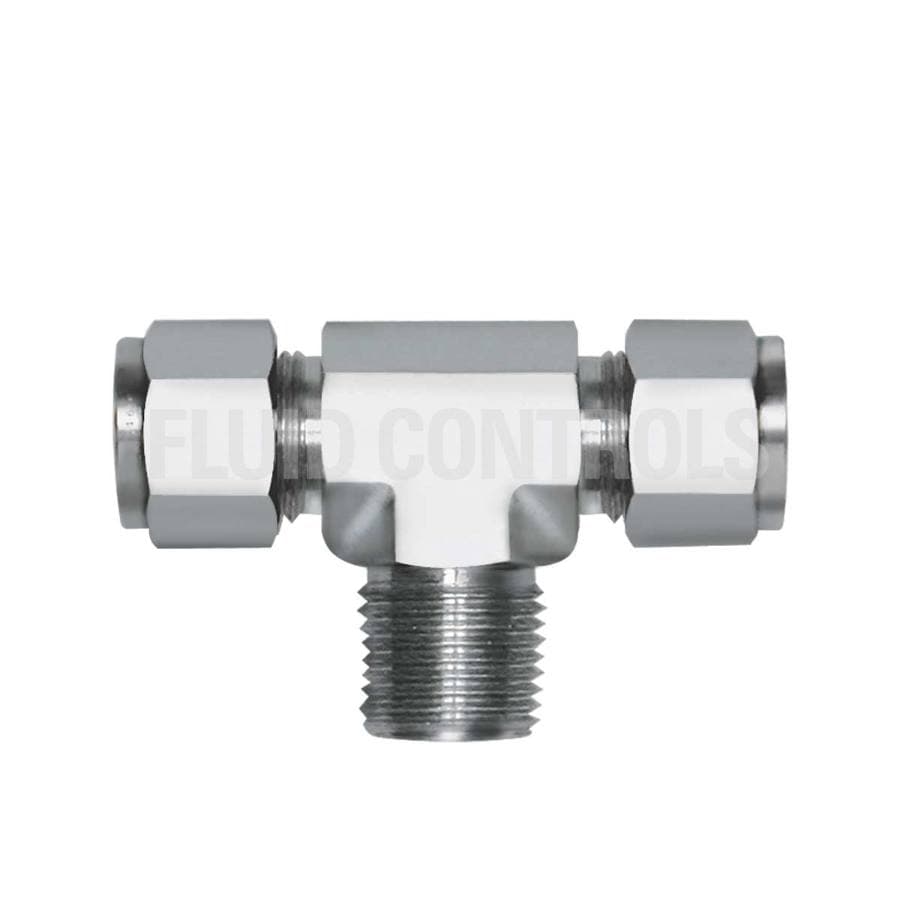
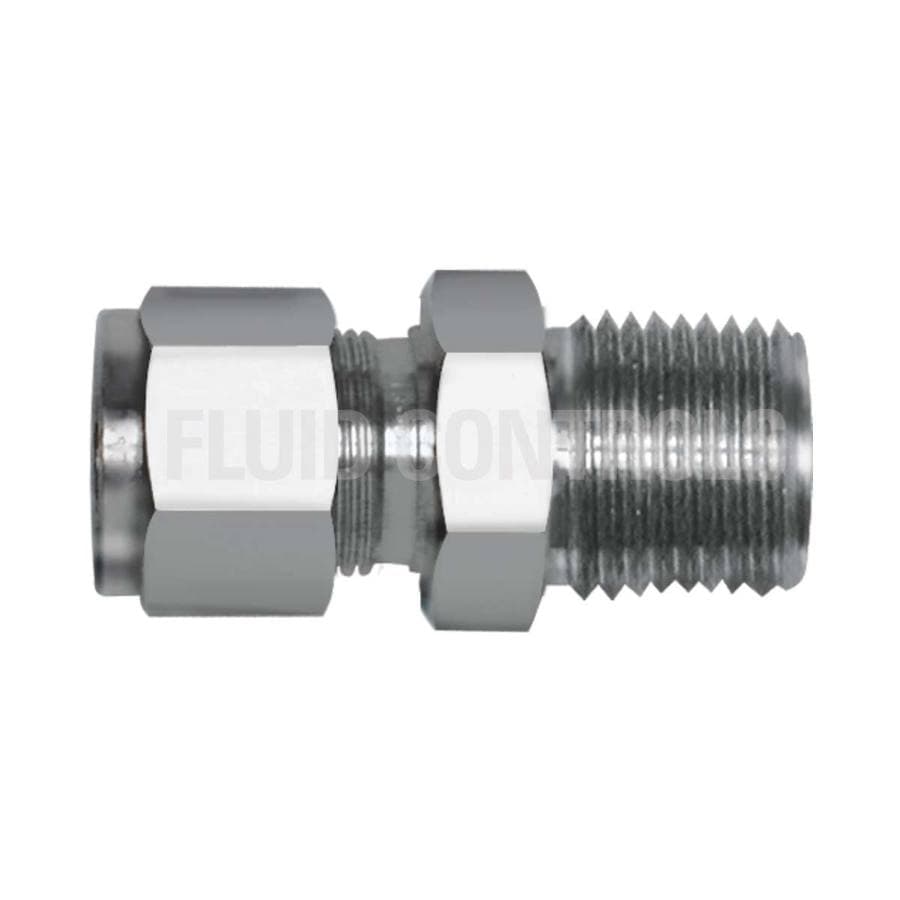
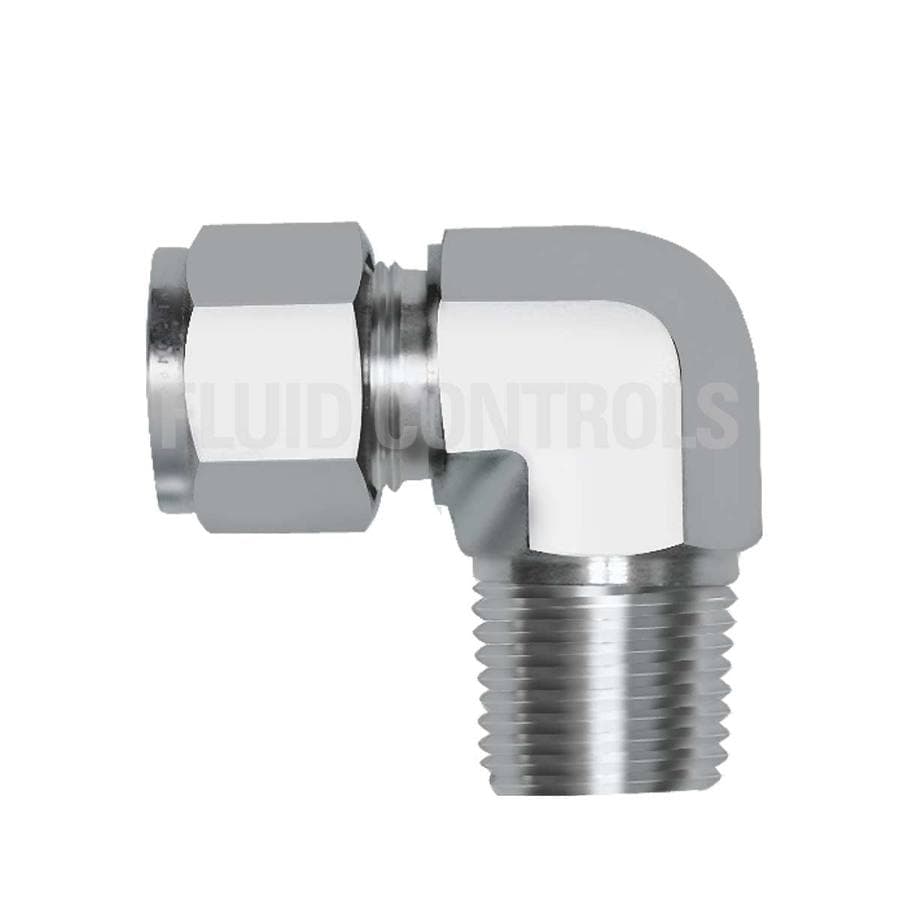
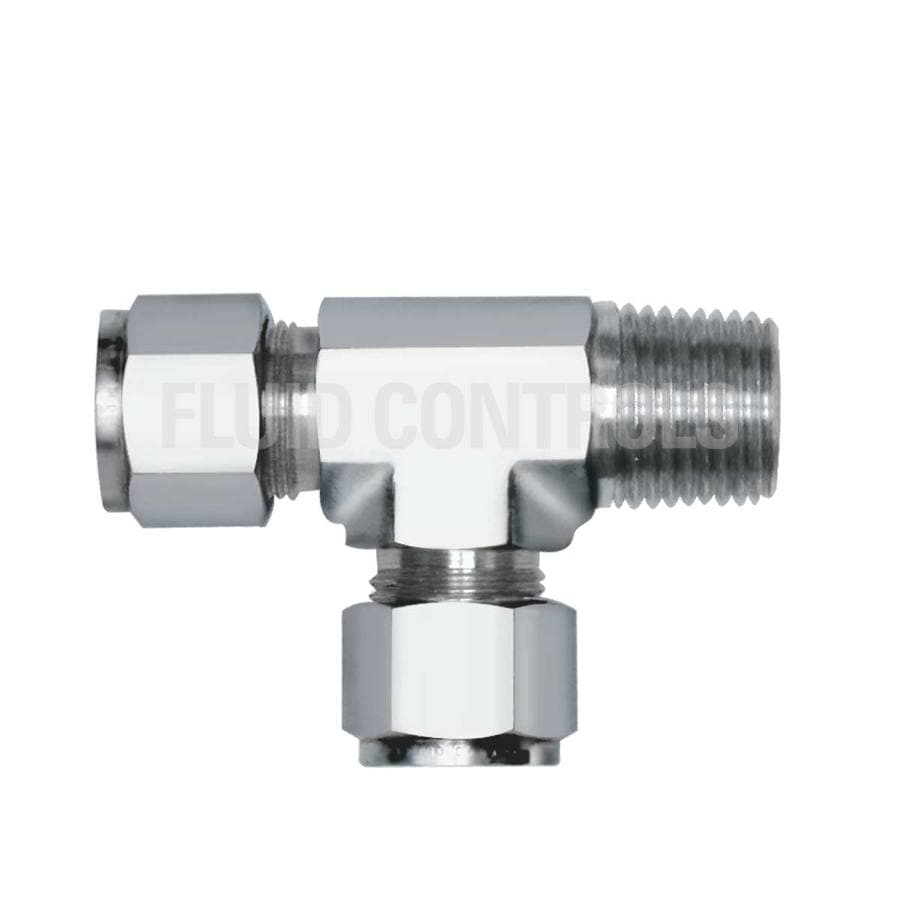
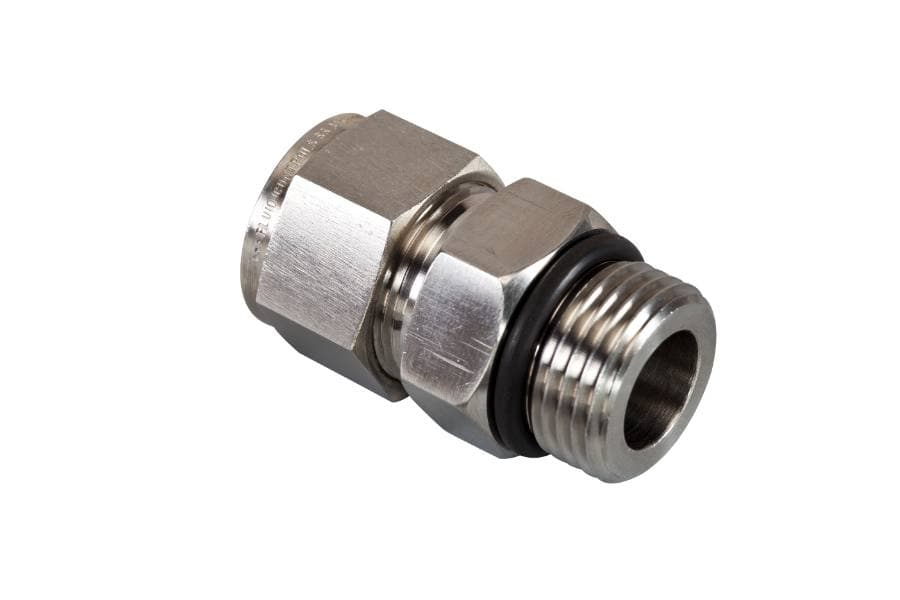
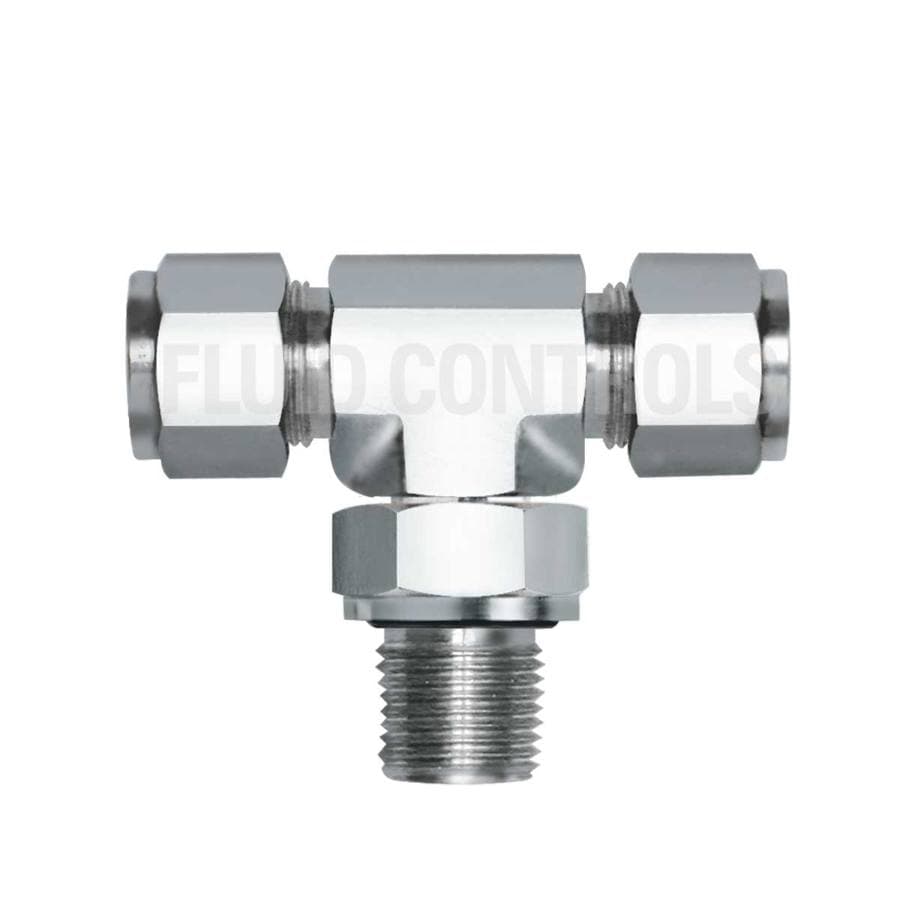
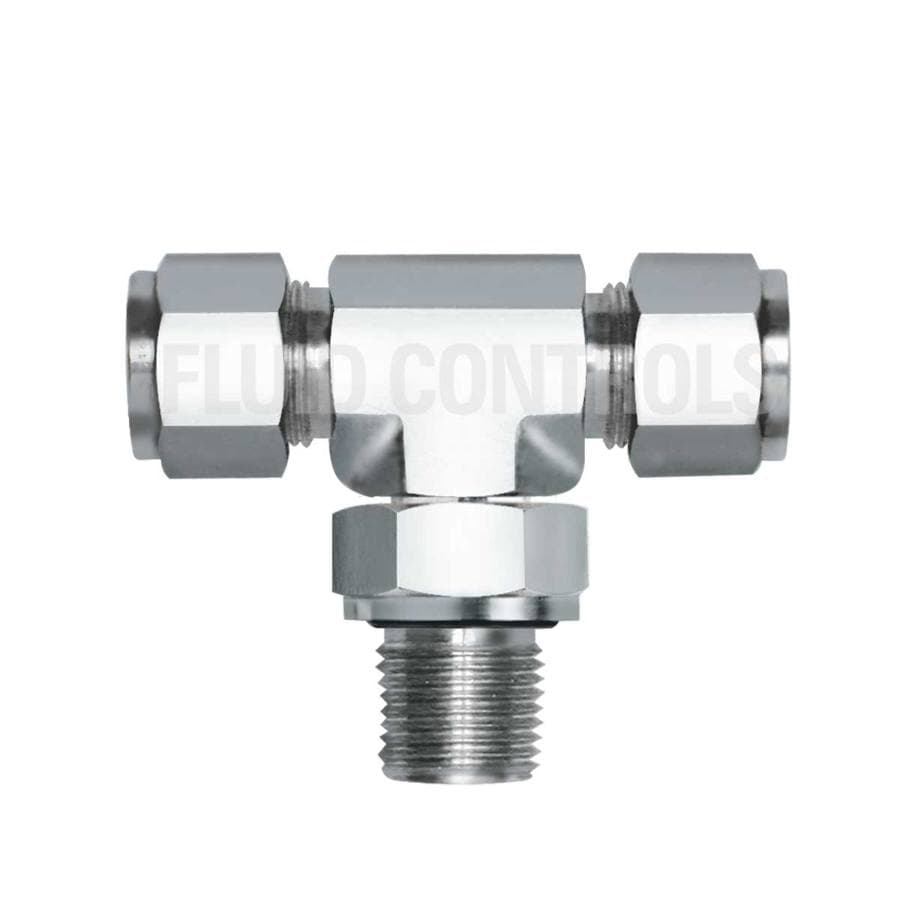
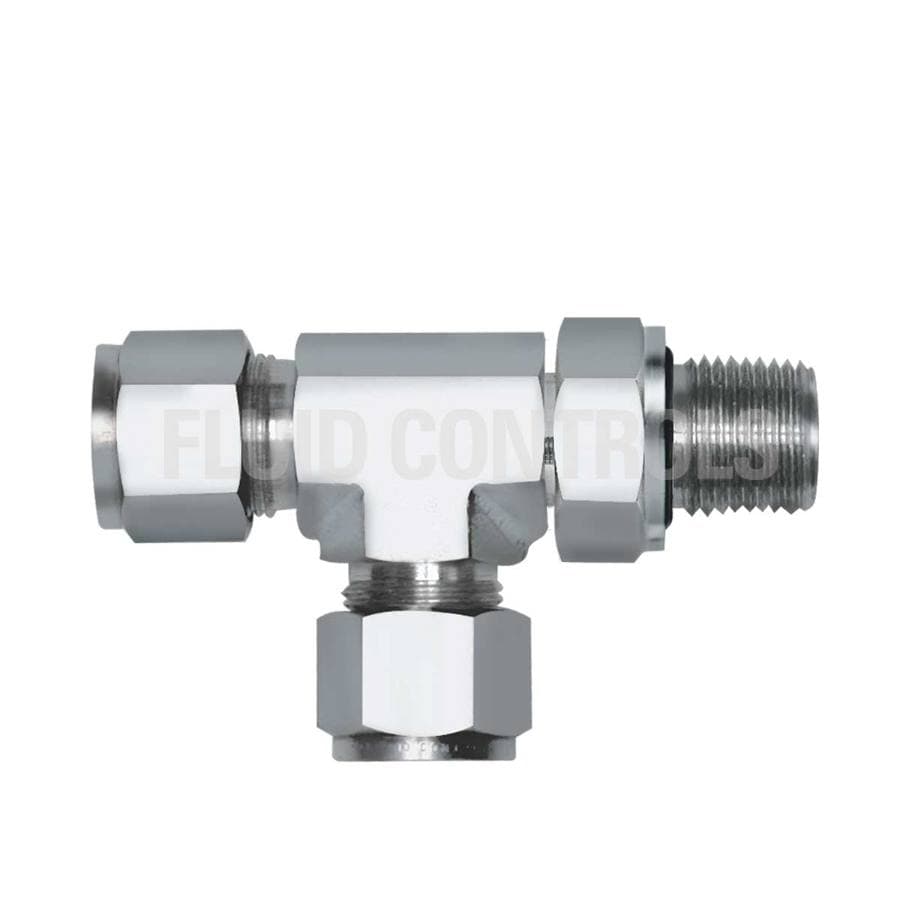
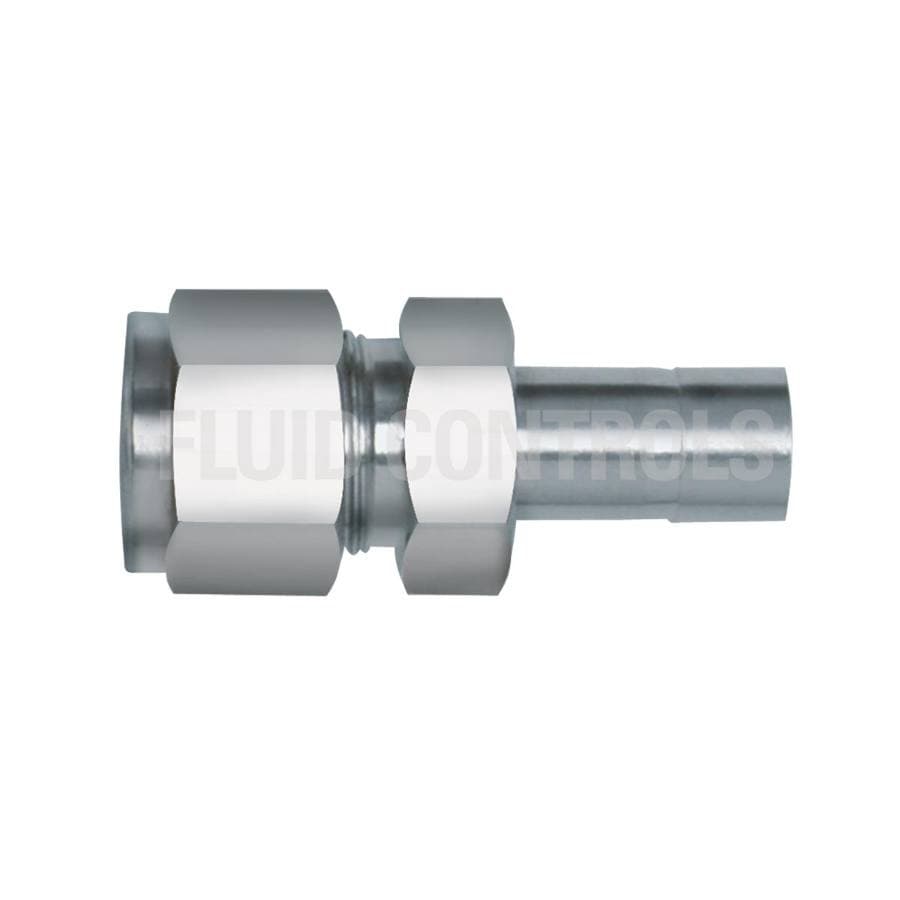
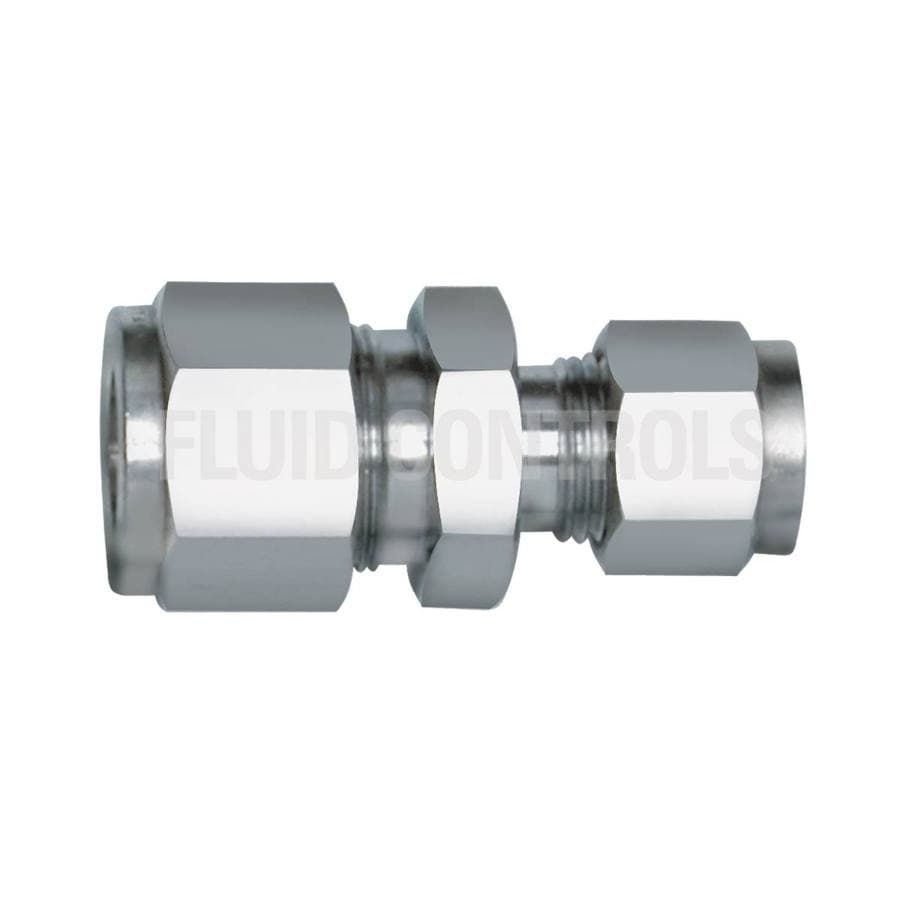
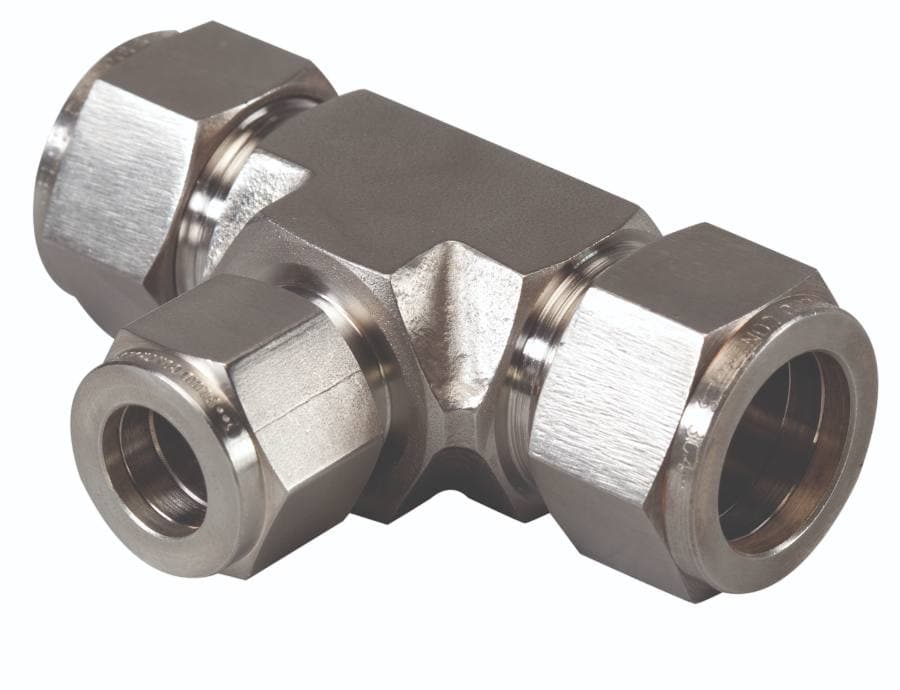
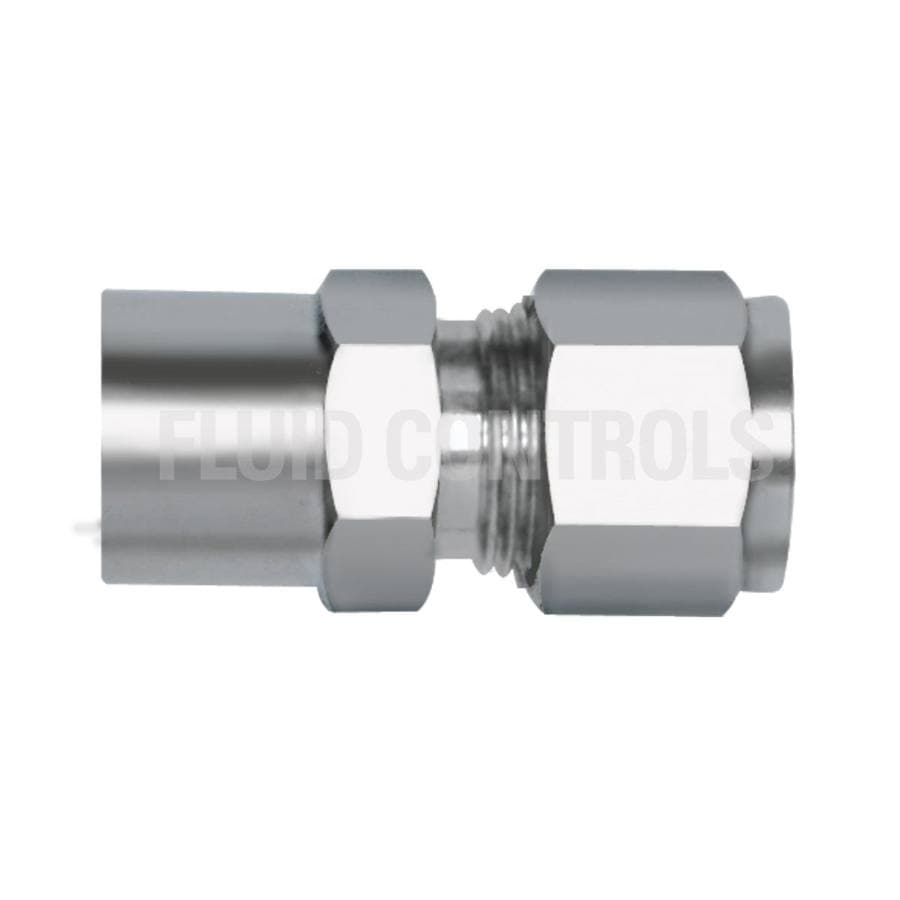
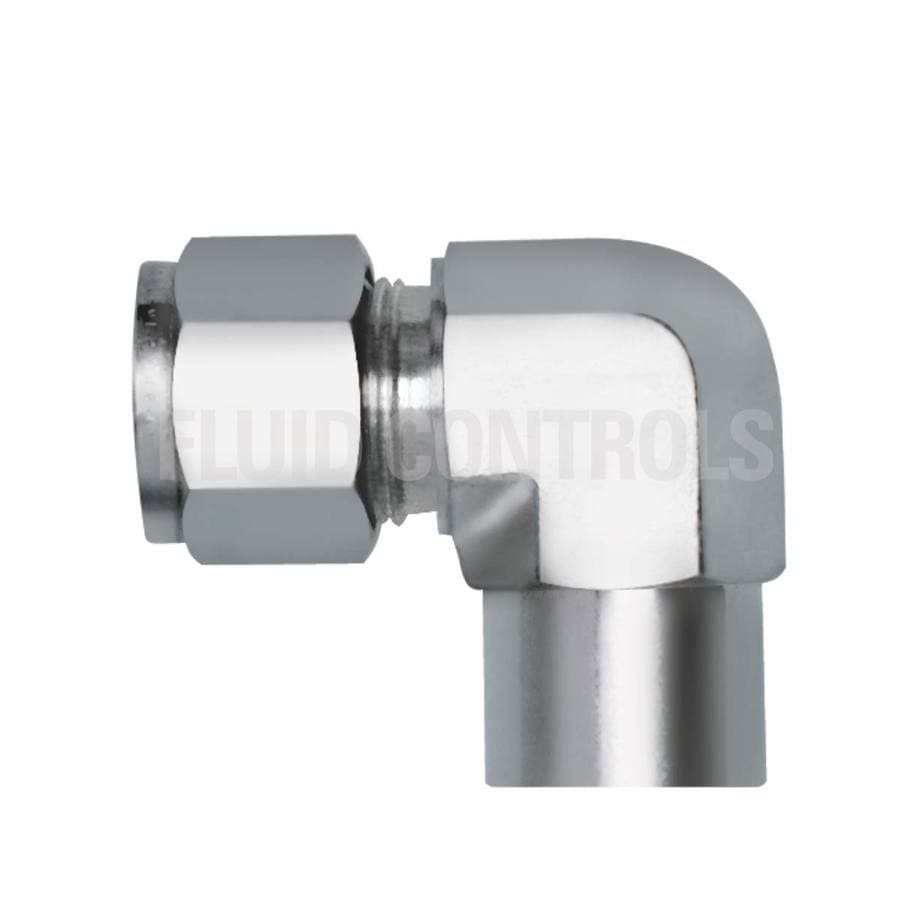
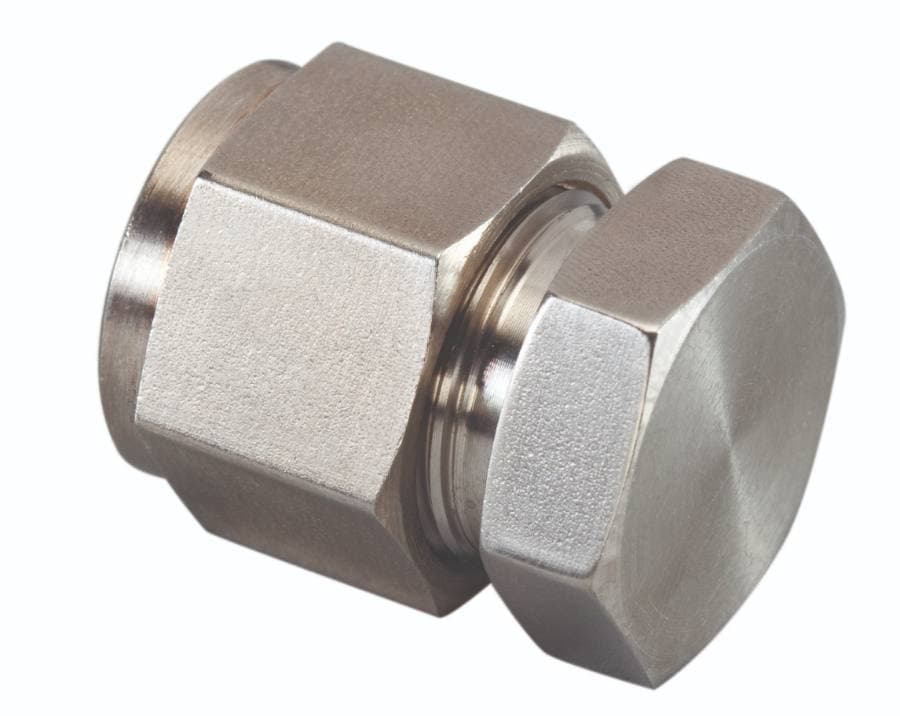
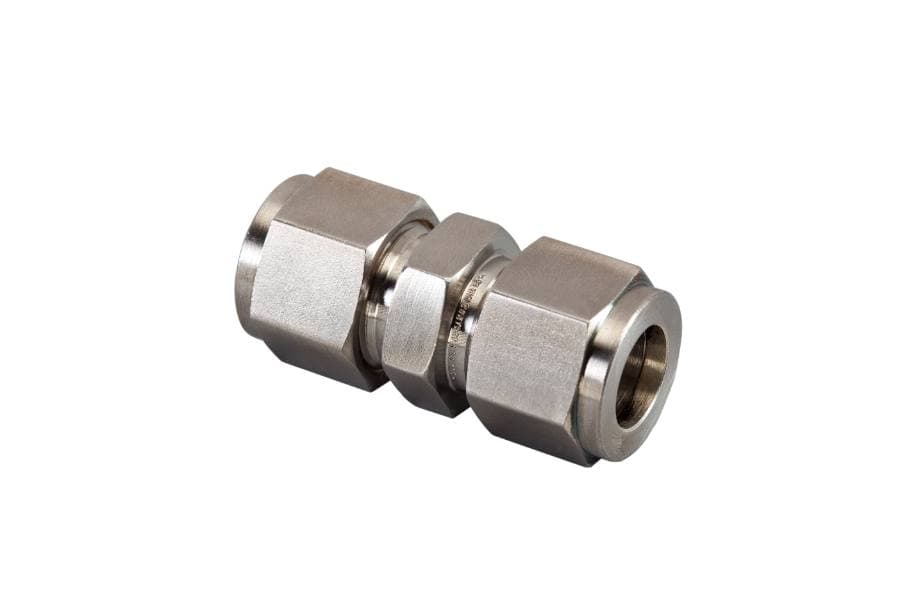
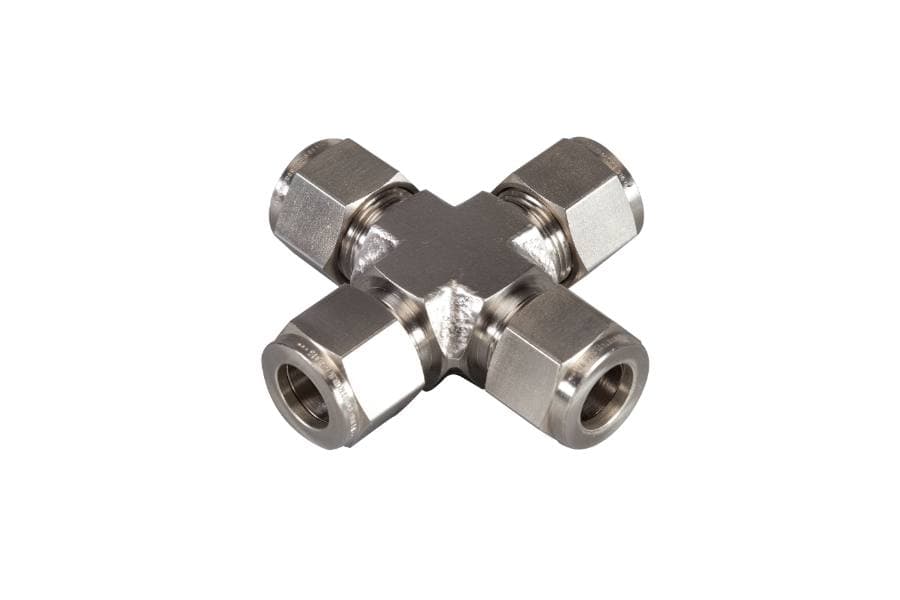
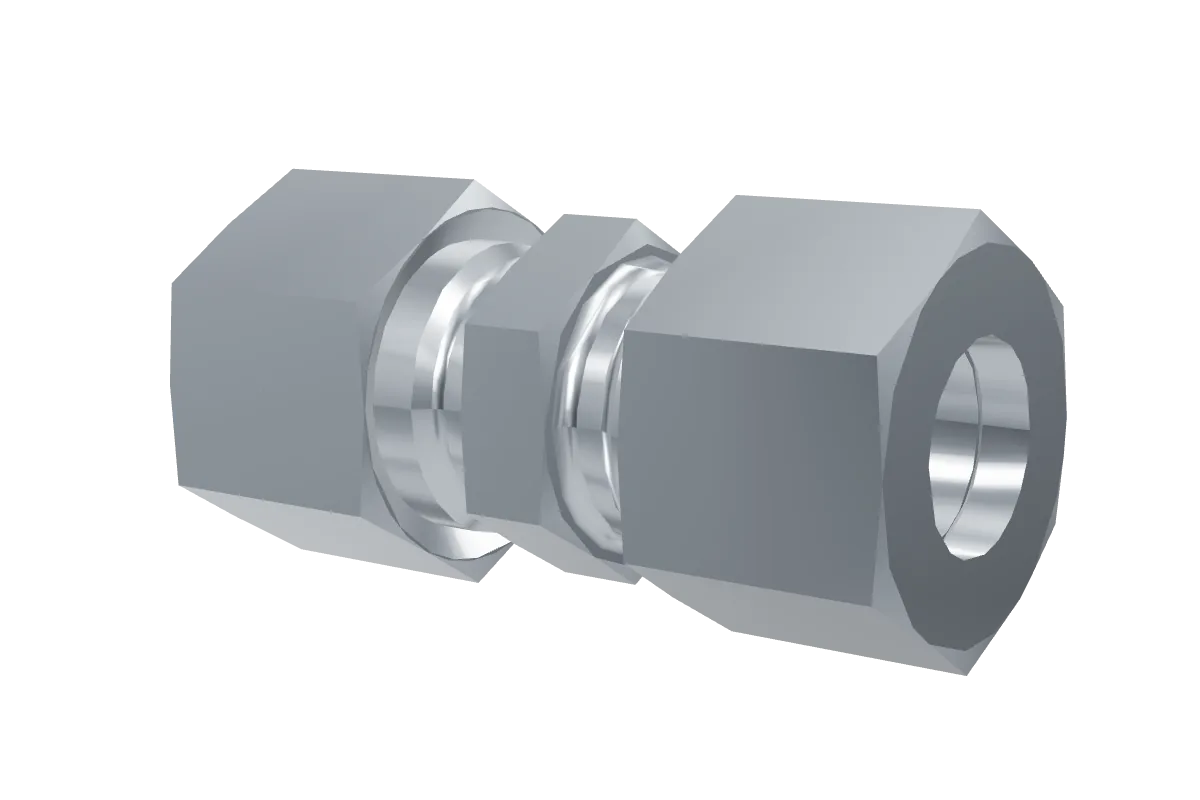
Products qualified to ASTM F1387
41 catalogue models list this standard among their approvals.